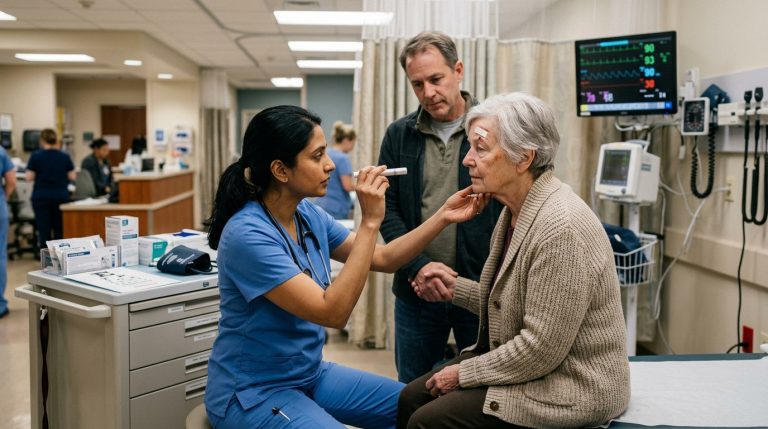


LIFE AFTER INJURY

Living With Brain Injury

Everyday life after brain injury can involve changes in energy, thinking, relationships, work, school, routines, and independence. This section focuses on practical life beyond the initial injury.

DAILY LIFE

Recovery Continues Outside the Clinic

Rehabilitation is only part of the story. Many people must also learn how to manage fatigue, memory changes, sensory overload, appointments, household responsibilities, relationships, and changing expectations in everyday life.
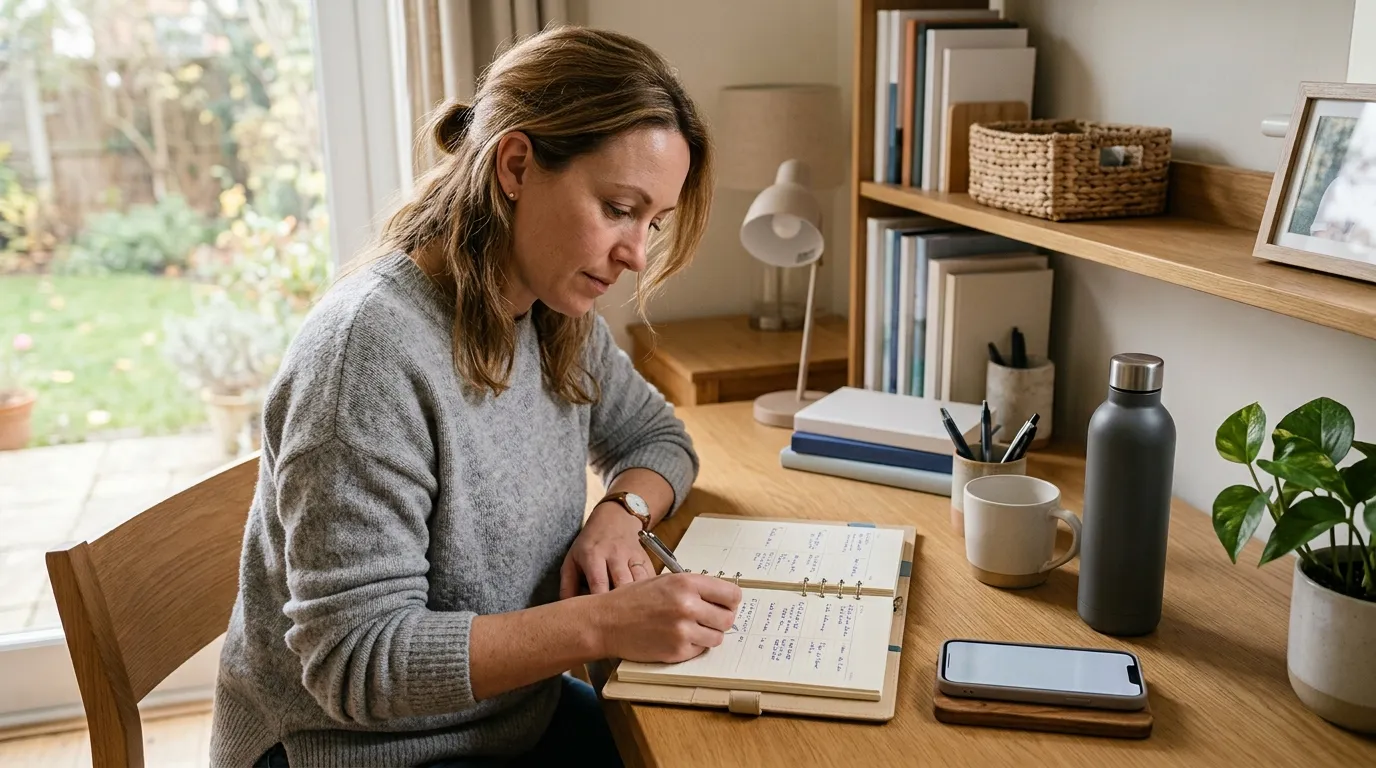
Person organizing a daily routine while living with brain injury

EVERYDAY TOPICS

Explore Life After Brain Injury

Start with the part of daily life that matters most to you.

EXPLORE

Fatigue & Energy

Explore pacing, rest, routines, and common challenges with physical or cognitive fatigue.

EXPLORE

Memory & Thinking

Learn about attention, organization, memory strategies, and adapting daily tasks.

EXPLORE

Relationships & Communication

Read about communication changes, family adjustment, social life, and rebuilding connection.

EXPLORE

Work, School & Independence

Explore returning to responsibilities, accommodations, transportation, and changing support needs.

REBUILDING ROUTINES

Small Systems Can Reduce Daily Friction

Consistent routines, simple reminders, planned rest, fewer competing tasks, and environmental adjustments may make everyday activities easier to manage. Strategies should be adapted to the person and discussed with relevant rehabilitation professionals when appropriate.

LIVING WITH TBI

Stories, Guidance & Practical Information

Dynamic WordPress posts appear here. Set this Posts widget query to your Living With Brain Injury category after import.

RETURNING TO ACTIVITIES

Build Back Carefully

Returning to activities can look different for every person and injury. Use professional guidance where safety or symptoms are involved.

EXPLORE

Returning to Work

Topics may include pacing, accommodations, workload, communication, and gradual return planning.

EXPLORE

Returning to School

Explore cognitive demands, academic accommodations, symptoms, and coordination with educators.

EXPLORE

Driving & Transportation

Driving after brain injury can involve medical, cognitive, visual, and legal considerations that require professional assessment.

PREPARE FOR APPOINTMENTS

Questions Worth Discussing With Your Care Team

  • Which symptoms should we track between appointments?
  • What activities should be limited or gradually resumed?
  • Which rehabilitation services may be appropriate?
  • What changes should prompt urgent medical attention?
  • How can family members support independence without taking over?
  • When should work, school, exercise, driving, or travel be reconsidered?

Life After Brain Injury Is Still Life.

Explore practical information about routines, relationships, independence, and adapting to change over time.