
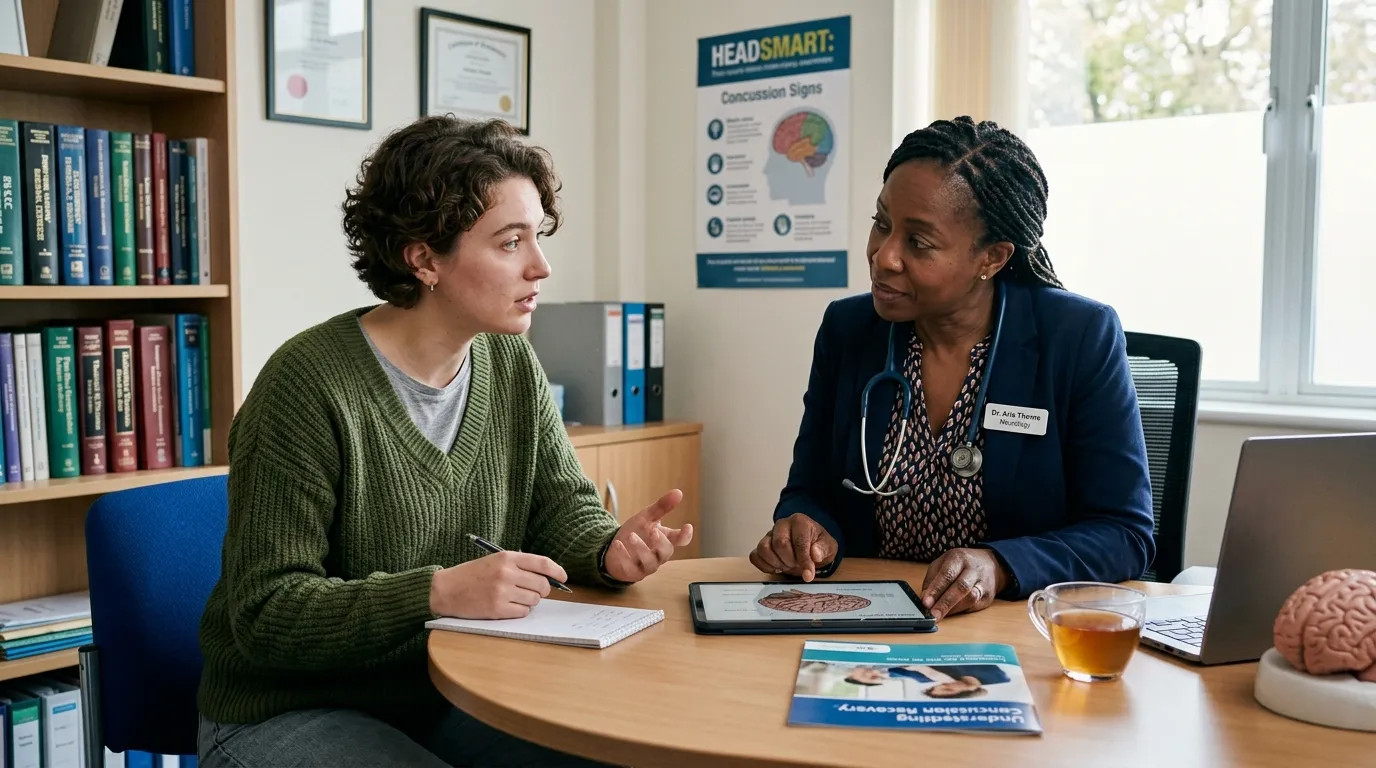
Concussion does not affect every person in the same way. Two people can experience similar head impacts yet report different symptoms, different levels of pain, and very different recovery timelines. One factor researchers continue to study is biological sex.
A 2026 systematic review brought new attention to this question by examining sex-related differences after mild traumatic brain injury, or mTBI. Across 41 studies involving 12,382 participants, the authors found recurring differences in symptom burden and recovery between female and male participants. Female participants often reported more symptoms, greater pain intensity, and longer recovery for some outcomes, including gait abnormalities and return to activity.
That does not mean every woman will have a longer concussion recovery than every man. The studies were diverse, the findings were not identical across every outcome, and concussion recovery depends on many factors beyond sex. Still, the review strengthens the case for considering sex as one part of an individualized assessment rather than assuming one recovery pattern fits everyone.
If you are learning about concussion for the first time, our Start Here brain injury guide explains common symptoms, diagnosis, and the early stages of recovery.
What Research Says About Sex Differences After Concussion
The 2026 systematic review, published in Brain Sciences, evaluated research involving sports-related concussion as well as mild traumatic brain injuries from other causes. The authors examined symptom severity, cognitive performance, balance and gait, neuroimaging findings, pain, and recovery outcomes.
The broad pattern was not that females performed worse on every measure. Instead, sex differences appeared in particular parts of the concussion experience. Female participants tended to report a greater overall symptom burden and more intense pain, while some studies also found differences in how long certain symptoms or functional problems lasted.
Symptoms and Recovery May Not Follow the Same Pattern
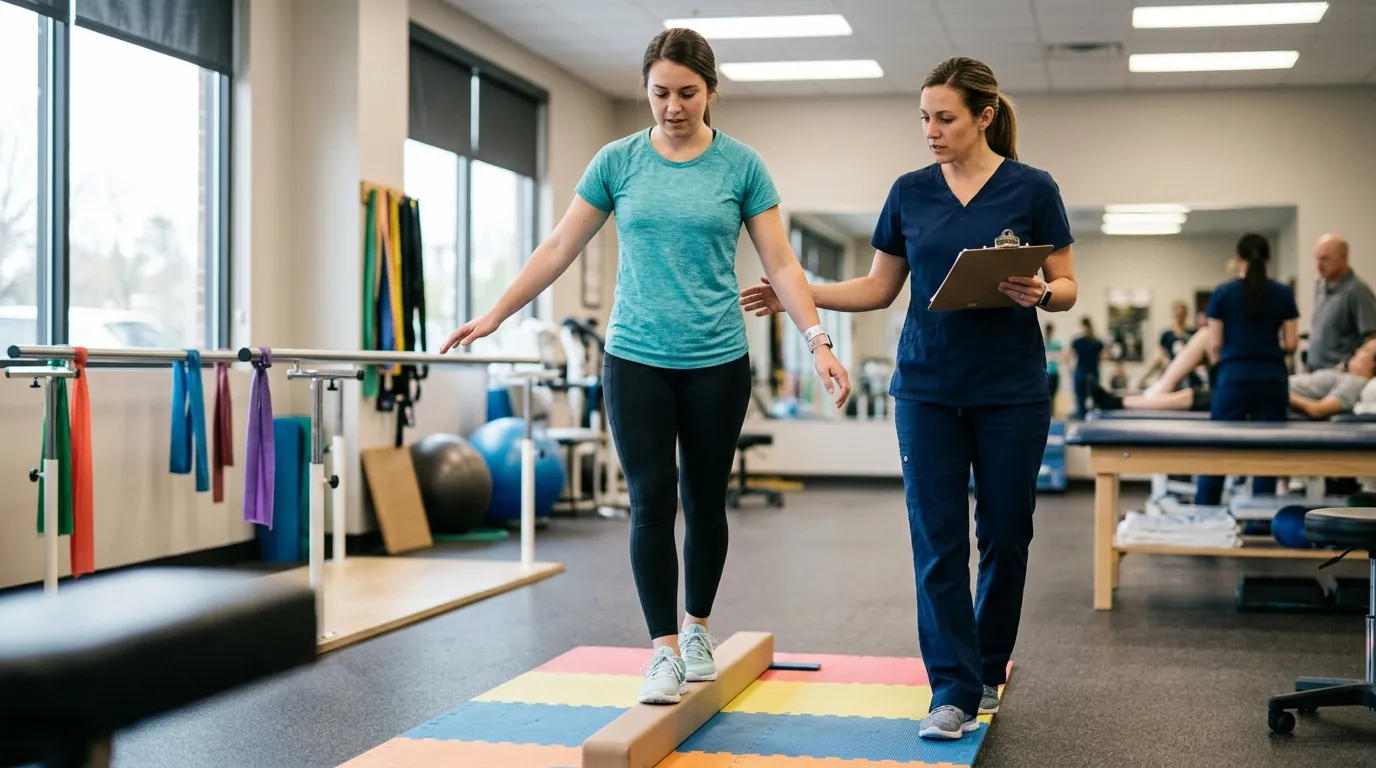
Common concussion symptoms include headache, dizziness, nausea, sensitivity to light or noise, fatigue, sleep changes, difficulty concentrating, memory problems, and emotional symptoms. The number and intensity of these symptoms can vary widely even among people with the same initial diagnosis.
The 2026 review found evidence that female patients may experience a heavier symptom burden following mTBI. It also identified longer recovery in some areas, particularly gait abnormalities and return to activity. These findings matter because recovery is not defined only by whether a person has returned to school, work, or sports. Balance, walking, pain, cognitive function, sleep, and symptom tolerance can all affect daily life.
Why a longer symptom course is not inevitable
Research describes averages and group-level patterns, not an individual person’s future. A woman with a concussion may recover quickly, while a man may experience persistent symptoms for weeks or months. Sex is therefore better viewed as one possible factor among many rather than a prediction.
Age, previous concussion, migraine history, the type of injury, initial symptom burden, sleep, mental health, access to appropriate care, and the demands of work, school, caregiving, or sport can all influence how recovery feels and how quickly normal activities resume.
This is also why the newer approach to traumatic brain injury classification is important. Researchers increasingly recognize that a single label such as “mild TBI” cannot capture all the clinical, biological, imaging, and personal factors that may shape an injury.
Symptoms should be taken seriously regardless of sex
Sex-related trends should never become a reason to dismiss someone’s symptoms. A male patient should not be assumed to have an easy recovery, and a female patient should not be told that prolonged symptoms are unavoidable. The purpose of this research is to improve assessment and care, not create a new stereotype.
Clinicians still need to evaluate the individual. Persistent dizziness may suggest a vestibular problem that needs targeted assessment. Ongoing headaches may need a specific management plan. Sleep disruption, visual symptoms, neck pain, mood changes, and cognitive difficulties may require different forms of follow-up.
The practical lesson is that symptom patterns deserve attention even when an initial CT scan is normal or the injury is classified as mild. Structural imaging and symptom recovery answer different clinical questions.
Why Researchers Think Sex Could Matter
Scientists do not have one simple explanation for the differences reported across concussion studies. Several biological and contextual factors are being investigated, including brain structure, cerebral blood flow, neurochemistry, hormonal environment, neck strength, injury mechanism, symptom reporting, and differences in exposure to particular sports or activities.
Hormones receive considerable attention, especially estrogen and progesterone, because they can affect neural function and may interact with the physiological response to injury. However, the relationship is complex. Menstrual cycle phase, hormonal contraception, age, and individual hormone levels may differ between participants, and many older studies did not collect enough information to examine these variables carefully.
Biology is only part of the picture
It would be a mistake to interpret sex differences as purely hormonal. Concussion outcomes are influenced by a mixture of biological, environmental, social, and healthcare factors. Differences in symptom reporting, when patients seek care, how injuries occur, and the type of follow-up available can affect study results.
Researchers are also exploring objective measures that may help clarify these differences. A 2026 study of adolescents published in Brain Injury used magnetic resonance spectroscopy to measure creatine in the posterior cingulate region after concussion. Male participants had higher creatine concentrations than female participants, and creatine levels were associated with several patient-reported outcomes. The researchers cautioned that the study was small and lacked a non-injured control group, so it cannot establish that the observed differences were caused by concussion.
Blood biomarkers are another area of active investigation. Our guide to GFAP and UCH-L1 blood testing for concussion explains how objective biological markers are increasingly being studied alongside symptoms, examination findings, and imaging.
What These Findings Mean for Concussion Care
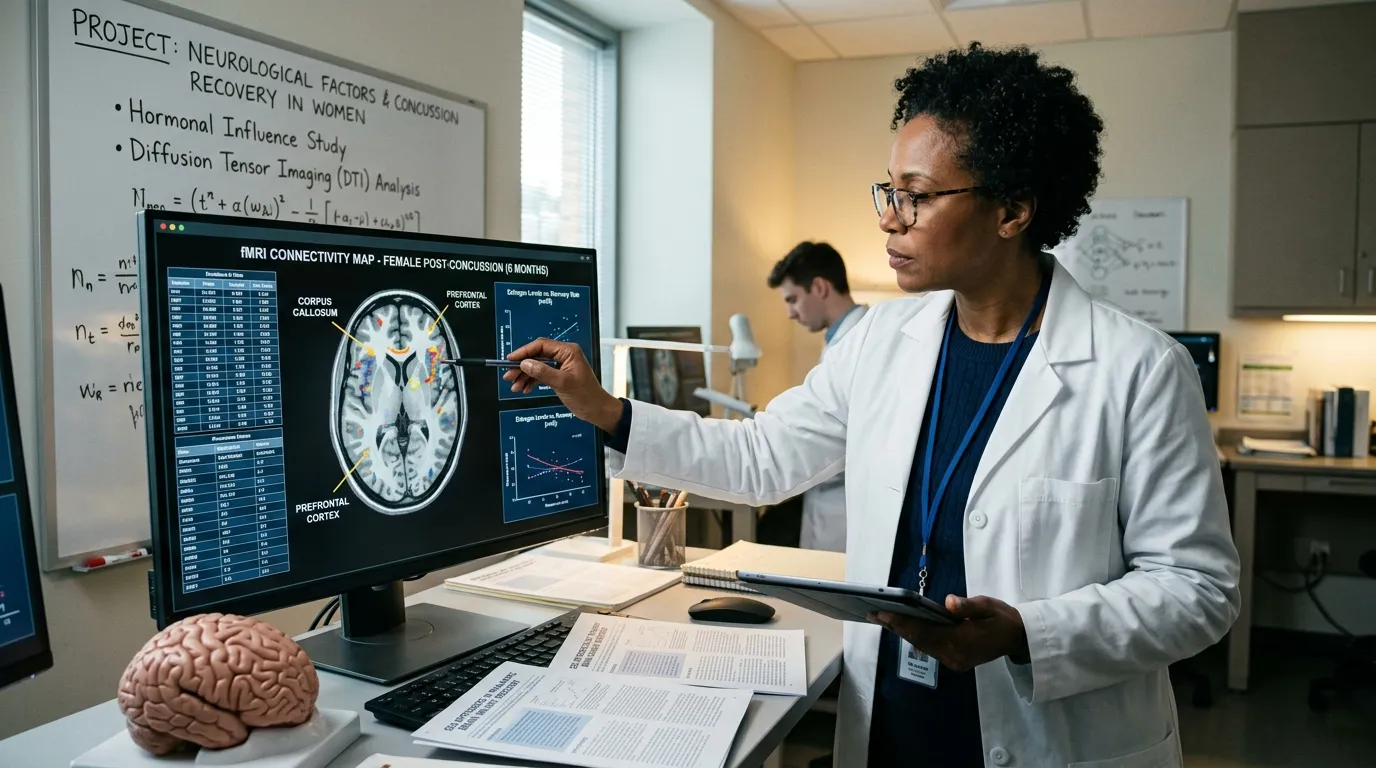
The most useful message from sex-difference research is not that women need an entirely separate concussion protocol. It is that concussion care should be flexible enough to recognize meaningful differences between patients.
A person whose symptoms are improving steadily may need a different level of follow-up from someone whose dizziness, headaches, fatigue, sleep problems, or concentration difficulties remain disruptive. Recovery plans may also need to change over time as a patient returns to work, school, exercise, driving, family responsibilities, or sport.
The 2026 systematic review concluded that recognizing sex-specific patterns may support more targeted diagnostic and rehabilitation strategies. It also called for more research into the structural and biochemical mechanisms underlying these differences. Readers can review the study through the National Library of Medicine’s PubMed record for the 2026 systematic review.
Individualized Recovery Matters More Than a Simple Average
For patients and families, an individualized approach means paying attention to function as well as symptoms. Can the person tolerate reading or screen use? Can they walk in a busy environment without becoming dizzy? Are headaches becoming less frequent? Is sleep improving? Can they complete normal responsibilities without a large symptom flare afterward?
Those questions often reveal more about recovery than comparing one person’s timeline with another’s.
When persistent symptoms deserve follow-up
Many people improve after concussion, but symptoms that persist, worsen, or interfere substantially with everyday life deserve medical follow-up. Depending on the symptom pattern, care may involve a physician experienced in concussion, vestibular rehabilitation, physical therapy, occupational therapy, vision assessment, headache management, psychological support, or other specialists.
New or worsening danger signs after a head injury require urgent evaluation. These can include repeated vomiting, seizures, increasing confusion, worsening headache, weakness or numbness, slurred speech, unusual behavior, inability to wake normally, or loss of consciousness. The CDC’s concussion signs and symptoms guidance provides additional information about danger signs that require immediate attention.
For people whose recovery continues beyond the initial injury period, our Living With Brain Injury section covers practical issues such as fatigue, cognition, relationships, work, and everyday routines. Family members supporting someone through a difficult recovery can also visit our Caregivers resource center.
Research on sex and concussion is becoming more detailed, but it still has important gaps. Studies need better representation across ages, injury mechanisms, hormonal stages, and diverse populations. Researchers also need consistent definitions of recovery and better ways to separate biological sex from social and behavioral influences.
For now, the evidence supports a balanced conclusion. Female patients, on average, may experience a greater symptom burden and longer recovery in certain domains after mild traumatic brain injury. But those patterns do not determine an individual’s outcome. Concussion remains highly variable, and good care should respond to the person’s actual symptoms, risks, function, and progress.
The value of this research is not in predicting that one sex will recover better than another. Its value is in helping clinicians and researchers ask better questions about why recovery differs—and how assessment and rehabilitation can become more precise for everyone.
Medical note: This article is for educational purposes only and does not replace medical diagnosis or treatment. Anyone with severe, worsening, or concerning symptoms after a head injury should seek appropriate medical care promptly.