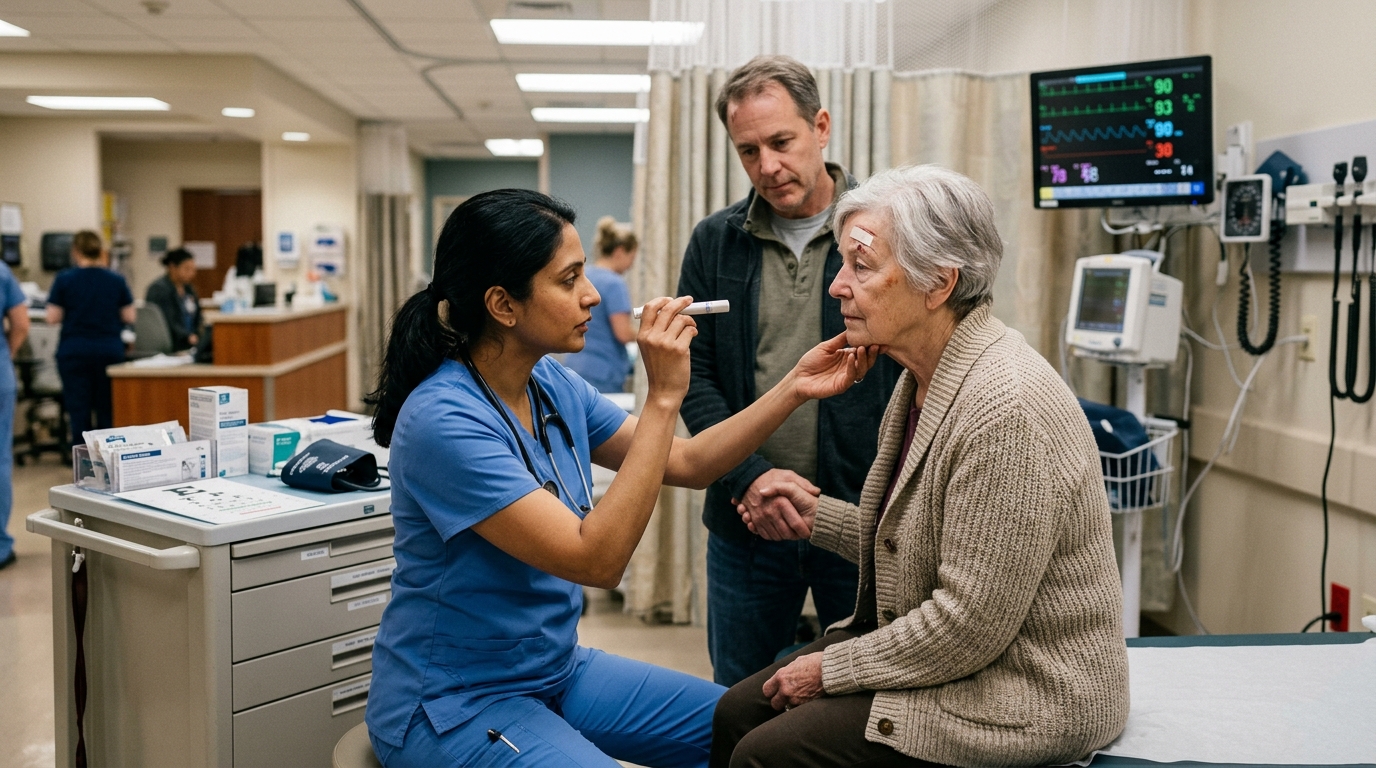
A fall that seems minor can have serious consequences for an older adult, particularly when the head is struck. Concussion, also called mild traumatic brain injury or mTBI, can occur after a bump, blow, or jolt to the head or body that causes the brain to move rapidly inside the skull.
Recognizing concussion in older adults can be more complicated than it is in younger people. Headache, dizziness, confusion, fatigue, balance problems, memory changes, and slowed thinking may overlap with conditions that were already present before the fall. An older person may also have difficulty recalling exactly what happened or may focus more on another injury, such as a painful hip or wrist.
The Centers for Disease Control and Prevention specifically warns that traumatic brain injuries may be missed or misdiagnosed in older adults. Older people are also more likely than other age groups to be hospitalized or die from TBI, making careful evaluation after a fall especially important.
New research published in 2026 is adding another concern: many older adults remain at elevated fall risk after mild TBI, yet relatively few are referred for physical or occupational therapy after leaving acute care.
If you are unfamiliar with traumatic brain injury, our Start Here guide to brain injury explains the basic symptoms, evaluation process, and questions that often arise after an injury.
Why Concussion Can Be Missed in Older Adults
Falls are one of the most important causes of traumatic brain injury, and they are particularly relevant in later life. Changes in balance, vision, hearing, muscle strength, reflexes, medications, and chronic health conditions can all increase the likelihood of falling.
A person does not need to lose consciousness to have a concussion. They may remain awake and able to speak normally immediately after the injury. That can create false reassurance, especially when the fall did not appear dramatic.
Falls, Symptoms, and Existing Health Conditions Can Overlap
Concussion symptoms can include headache, dizziness, nausea, problems with balance, sensitivity to light or noise, tiredness, difficulty concentrating, memory problems, sleep changes, irritability, and feeling mentally slowed down.
Several of those symptoms are also common in older adults without a recent head injury. Dizziness may already occur because of blood-pressure changes, inner-ear disorders, or medication effects. Memory problems may be attributed to aging or dementia. Fatigue may be associated with another medical condition. Problems walking may have existed before the fall.
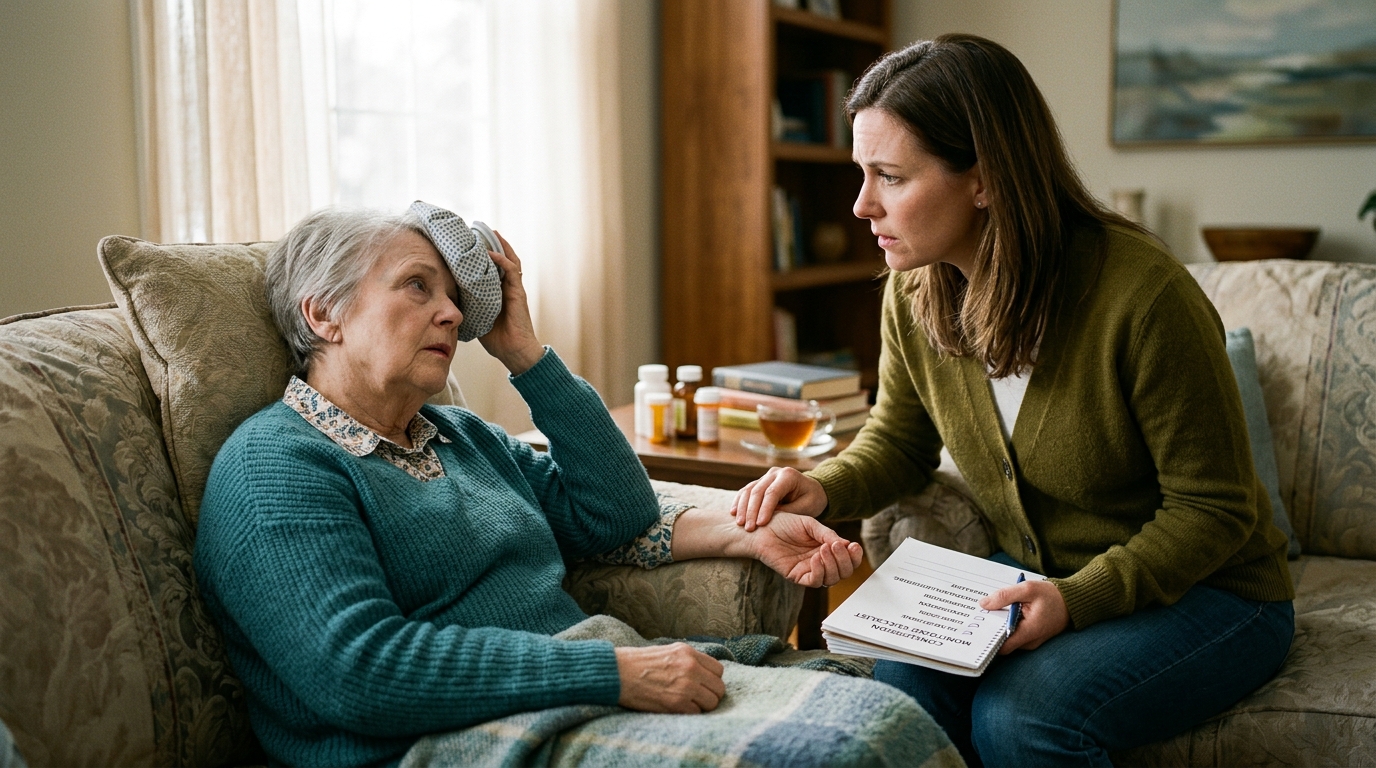
This overlap makes knowing a person’s baseline especially valuable. Family members and caregivers may notice a change that is not obvious during a short medical examination, such as increased confusion, unusual sleepiness, slower speech, greater difficulty completing familiar tasks, or a noticeable decline in balance.
Why changes can be mistaken for normal aging
The CDC notes that TBI symptoms in older adults can overlap with conditions such as dementia. This means a new cognitive or behavioral change after a fall should not automatically be dismissed as age-related.
Clinicians may need to determine what was present before the injury and what changed afterward. Information from relatives, caregivers, previous medical records, or assisted-living staff can be useful when the patient cannot provide a complete history.
The problem can become even more complicated when a fall itself has an unclear cause. An older person may have become dizzy, fainted, experienced an abnormal heart rhythm, or had another medical event before hitting the ground. In those situations, healthcare professionals may need to investigate both why the fall happened and whether the fall caused a brain injury.
Blood-thinning medications can increase concern after a head injury
Medication history is particularly important after a fall. The CDC highlights anticoagulants such as warfarin, rivaroxaban, and apixaban, as well as antiplatelet medicines such as clopidogrel and aspirin, because these medications can increase the risk of bleeding following traumatic brain injury.
This does not mean every person taking one of these medications will experience intracranial bleeding. It means clinicians need to know about the medication when assessing risk and deciding whether additional testing or monitoring is appropriate.
Bleeding around the brain can also be especially concerning in older adults. The National Institute of Neurological Disorders and Stroke notes that subdural hematomas, in which blood collects between protective layers surrounding the brain, are very common in older adults after falls.
Anyone who has fallen should therefore make sure healthcare professionals know which prescription drugs, over-the-counter medications, and supplements they take.
New Research Is Highlighting Diagnosis and Fall Risk After mTBI
Researchers are increasingly studying older adults specifically rather than assuming that diagnostic tools developed primarily in younger populations will work identically at every age.
That matters because normal age-related biological changes can influence diagnostic measurements. It also matters because recovery from a concussion can interact with preexisting balance limitations, cognitive impairment, and other health conditions.
Blood biomarkers may help with difficult-to-diagnose cases
A 2026 study published in JAMA Network Open examined 89 people age 60 and older and evaluated four blood biomarkers: GFAP, UCH-L1, brain-derived tau, and neurofilament light.
Among the 45 participants diagnosed with mild TBI, 76% had an initial Glasgow Coma Scale score of 15, the highest possible score. This is important because a normal-looking level of alertness does not necessarily rule out mTBI.
GFAP showed the strongest diagnostic performance in the study and remained useful even when researchers examined participants whose CT scans did not show an acute traumatic abnormality. However, the researchers also found that appropriate biomarker thresholds changed with age and, for some biomarkers, sex.
The results are promising but should not be interpreted as meaning that a blood test has replaced clinical evaluation. Biomarkers are being studied as additional objective information that may complement symptoms, examination findings, imaging, and medical history.
Our article on GFAP and UCH-L1 blood tests for concussion explains this developing area in more detail.
A 2026 study found a gap in post-injury fall prevention
Another study published online in June 2026 looked beyond diagnosis and examined what happened after older adults with mTBI left acute medical care.
Researchers analyzed 141 adults age 65 and older with mild TBI. Fewer than one-quarter received a discharge referral for physical or occupational therapy. Yet among participants who were not referred, testing two weeks after their injury found substantial mobility and balance problems.
Among those without a PT or OT referral, 46% had impaired performance on the Short Physical Performance Battery, 58% had impairment on the Four Square Step Test, and 60% had slow walking speed. These measures can identify limitations associated with increased fall risk.
The findings raise an important issue: the same person who suffered a concussion because of a fall may still have mobility or balance problems that increase the possibility of another fall.
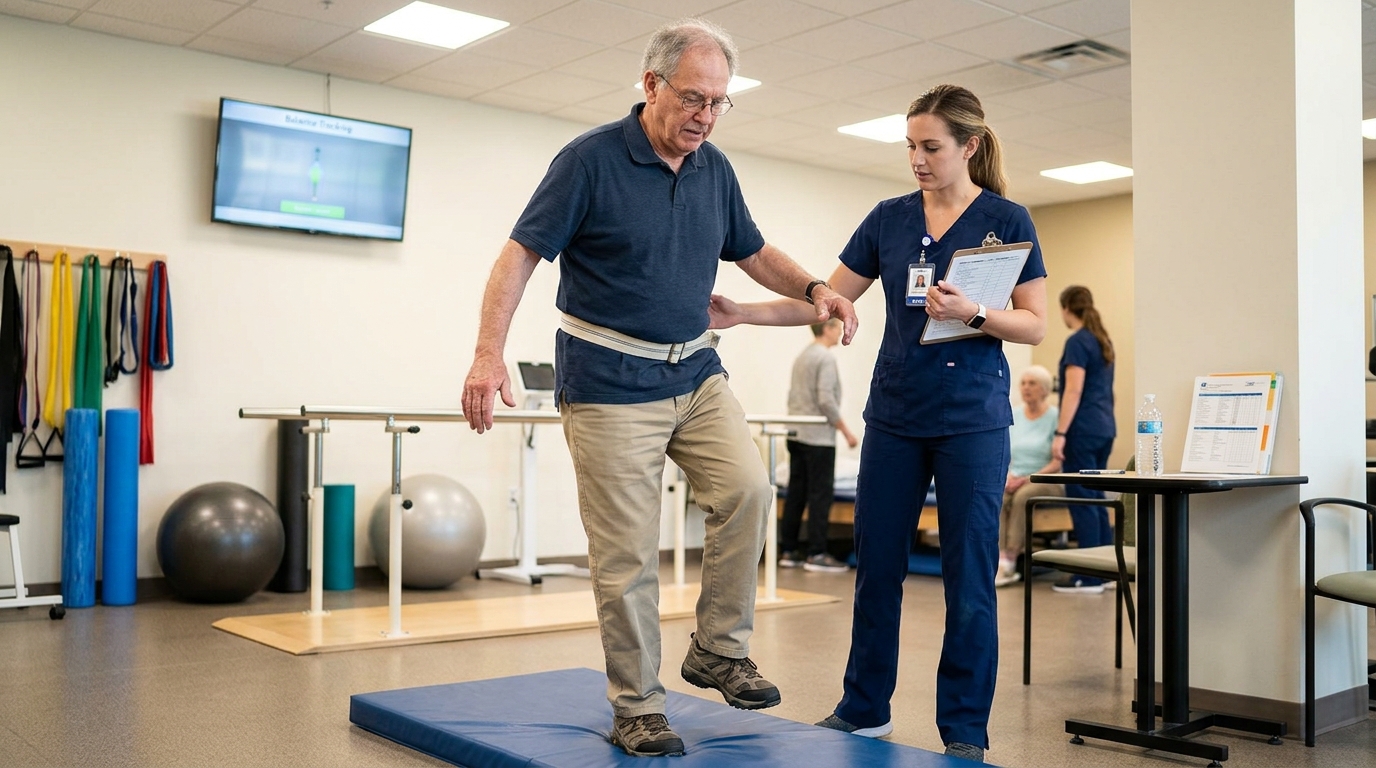
Physical and occupational therapists can assess movement, balance, strength, daily activities, environmental risks, and other functional problems. Not every person with mild TBI will require therapy, but the study suggests that fall risk may deserve more attention during follow-up.
Research like this also demonstrates why the emerging multidimensional approach to TBI classification matters. Age, medications, imaging, biomarkers, clinical findings, and other patient-specific factors can provide information that a simple “mild TBI” label cannot capture by itself.
What Older Adults and Families Should Do After a Fall
An older adult who hits their head in a fall should not rely only on whether they immediately feel seriously injured. The CDC advises that an older person who falls and hits their head should receive medical attention to make sure a brain injury has not occurred.
It is useful to tell the healthcare professional what happened, whether the person lost consciousness or cannot remember part of the event, what medications they take, whether they have previously had a brain injury, and whether their behavior or function has changed since the fall.
Emergency evaluation is particularly important when concerning symptoms appear. These can include worsening headache, repeated vomiting, increasing confusion, unusual behavior, seizures, weakness or numbness, slurred speech, unequal pupils, inability to wake normally, or loss of consciousness.
Recovery Should Include Attention to Preventing the Next Fall
Once immediate medical concerns have been addressed, recovery should not focus only on headaches or memory symptoms. Balance, walking speed, strength, vision, medication effects, footwear, home hazards, and confidence while moving may also deserve attention.
A healthcare professional may recommend physical therapy, occupational therapy, vestibular rehabilitation, medication review, vision assessment, assistive devices, or home-safety changes depending on the person’s needs.
Families can also watch for changes that may emerge after the initial medical visit. Increased unsteadiness, repeated near-falls, difficulty getting out of a chair, avoiding stairs, or suddenly relying on furniture for support are worth discussing with a healthcare professional.
Recovery
Recovery should be individualized. Some older adults return to normal activities relatively quickly, while others may need a longer period of monitoring or rehabilitation because of the injury itself or other health conditions.
Our Living With Brain Injury section covers longer-term issues such as fatigue, cognition, independence, and everyday routines. Family members helping with appointments, medication management, safety, and recovery can also visit our Caregivers resource center.
The most important lesson is that concussion in an older adult should not be dismissed simply because the fall appeared minor, the person remained awake, or some symptoms resemble normal aging. Older adults face distinctive diagnostic challenges, and new 2026 research suggests that both objective diagnostic tools and post-injury fall assessment may have important roles in improving care.
Recognizing the injury is only one part of the process. Understanding why the fall occurred, monitoring for complications, evaluating mobility, and reducing the chance of another fall can all be part of a more complete approach to recovery.
Medical note: This article is for educational purposes only and does not replace individualized medical diagnosis or treatment. An older adult who experiences a head injury, particularly while taking blood-thinning medication or while developing new or worsening symptoms, should receive appropriate medical evaluation.